I have spent 20 years doing machine learning on physical sensor data, the last decade making deep learning work where data is scarce, sensors are unusual, and the physics is non-negotiable. I build the measurement model and domain structure into the network, scattering behavior, coherent-imaging constraints, and signal priors, rather than relying on scale alone. That work spans diffusion and GAN-based image restoration and synthesis, self-supervised representation learning, learned compression, and the signal processing that makes them work.
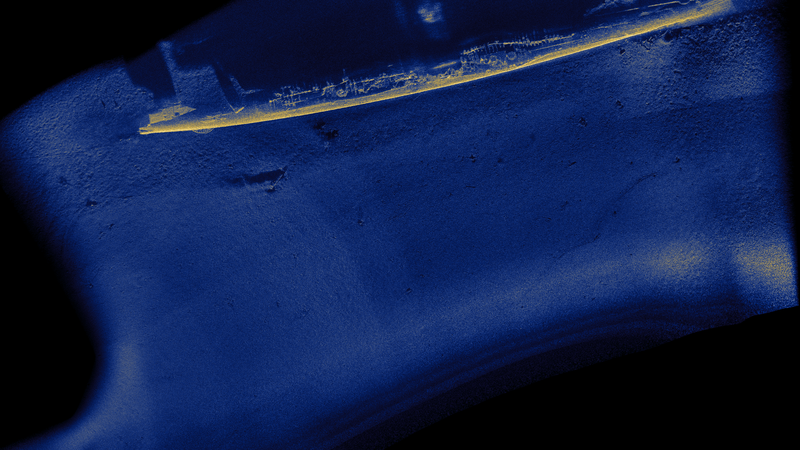
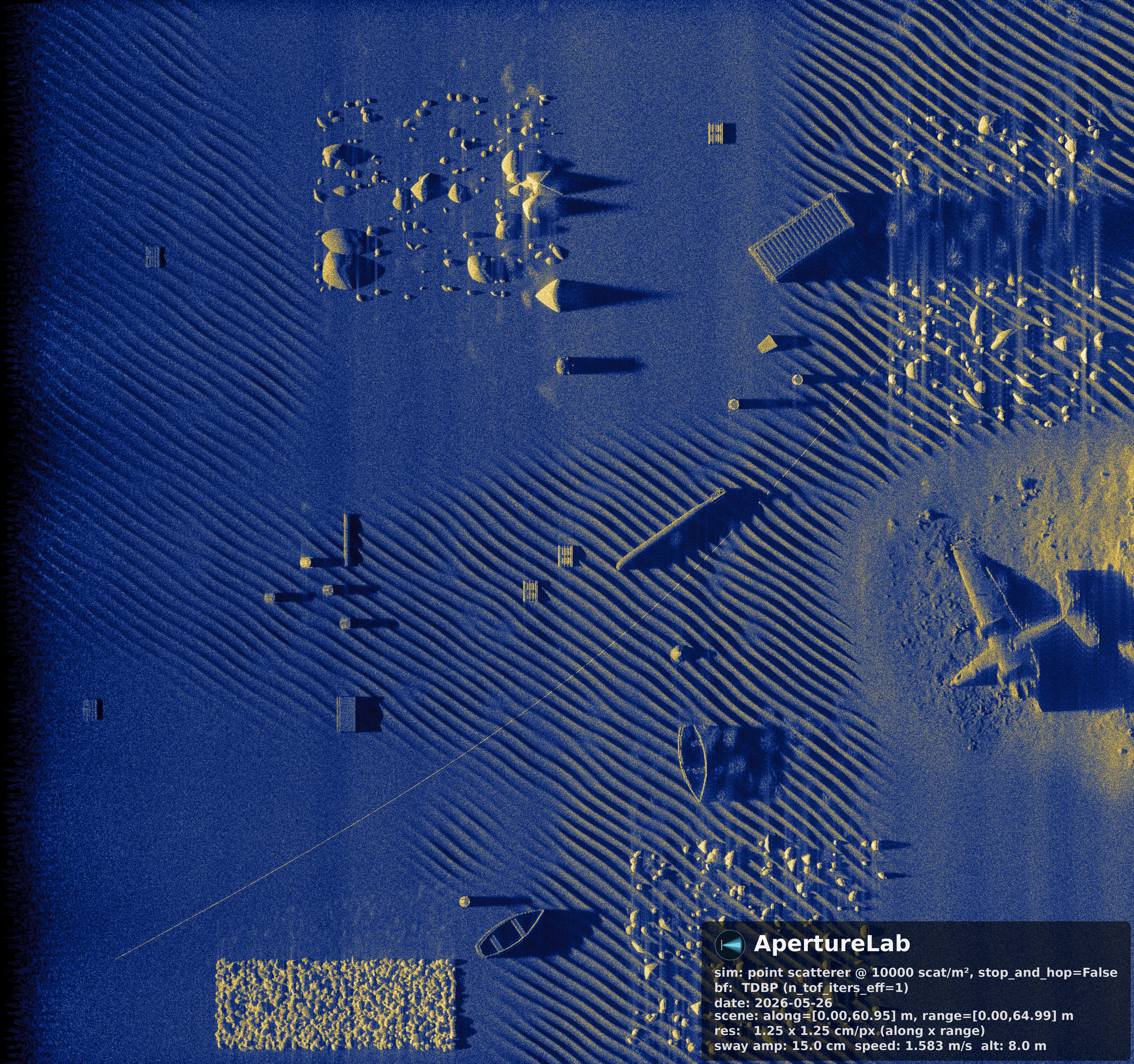
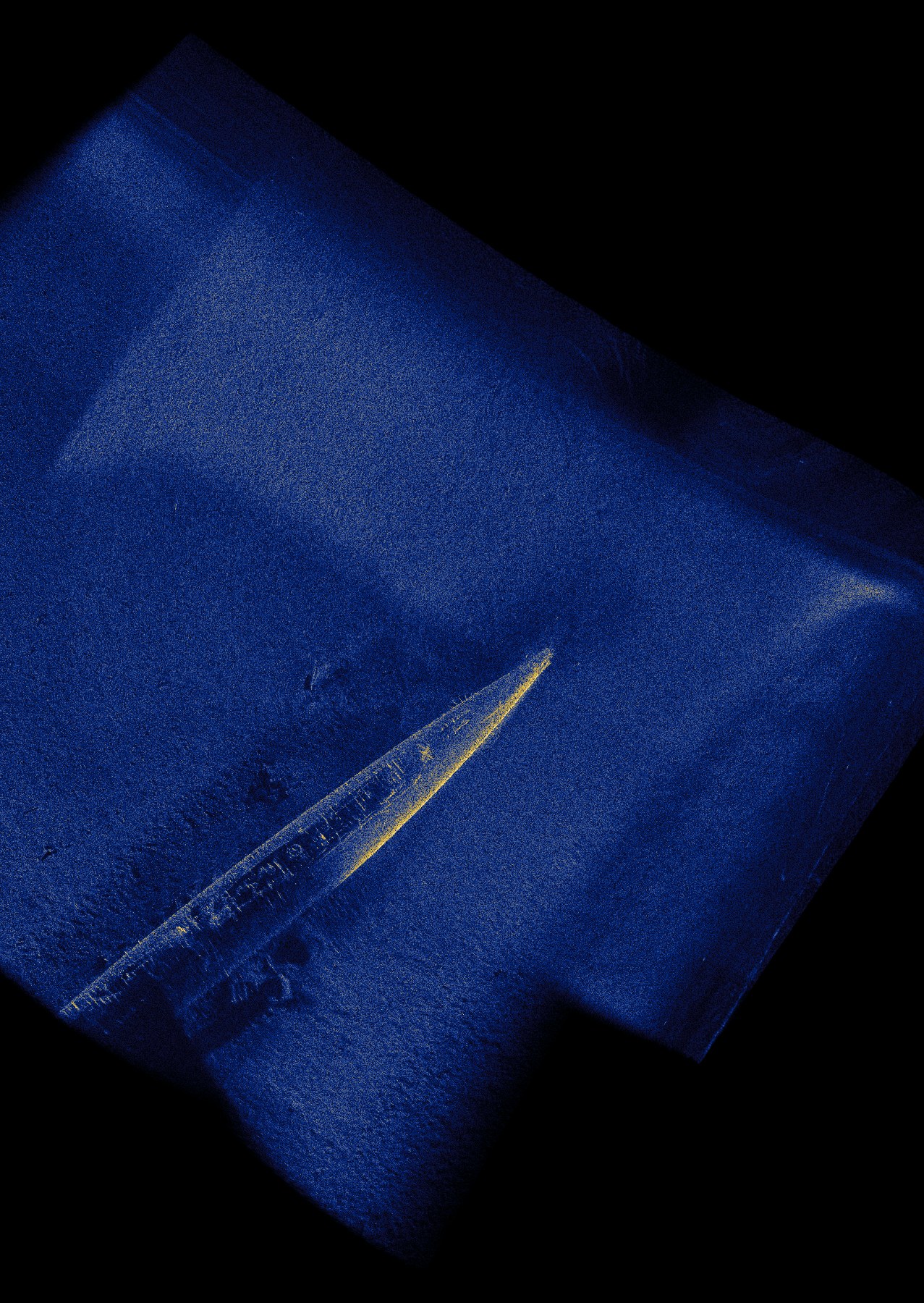
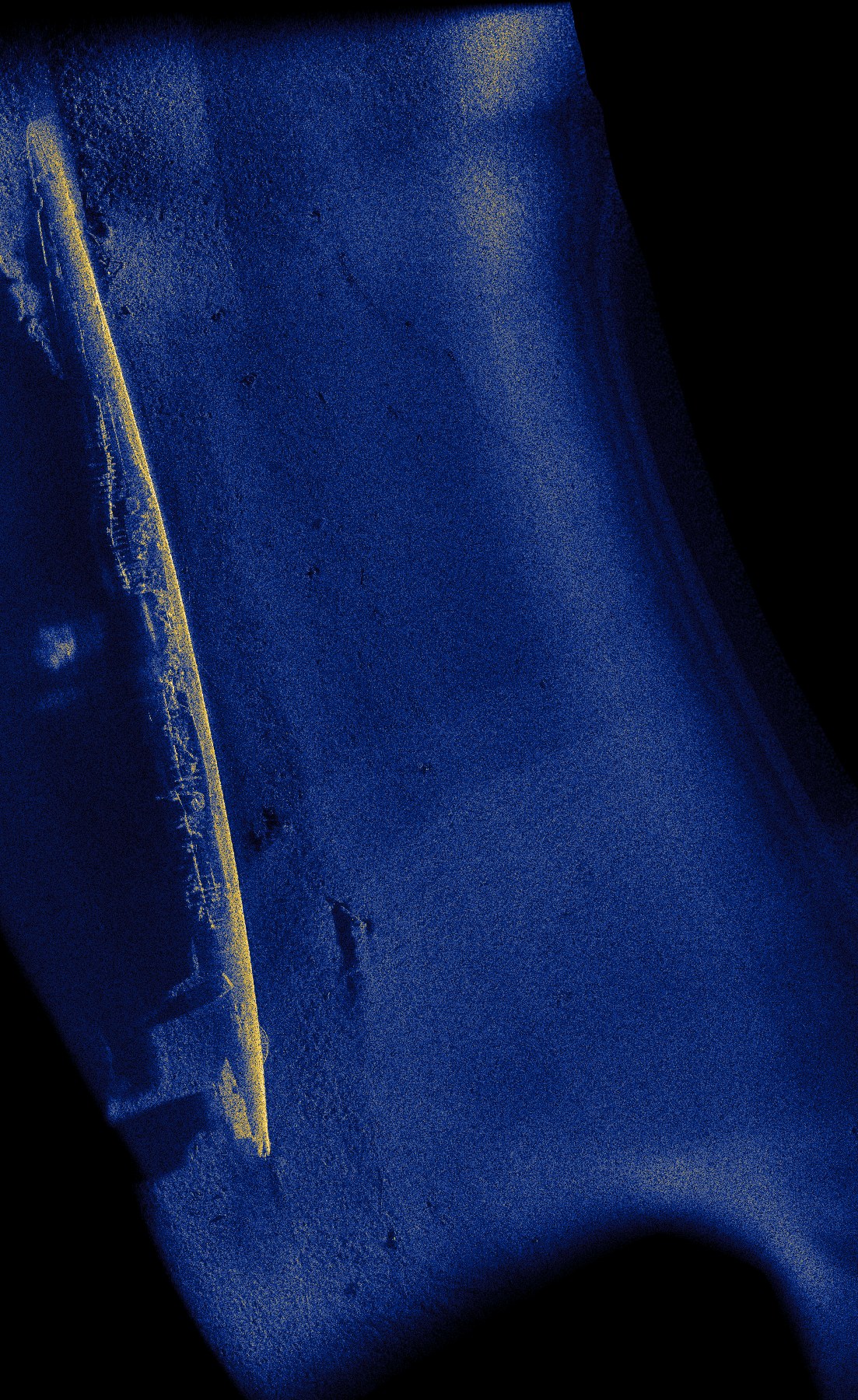
Much of that career went into one of the hardest sensing domains there is: complex-valued, low-data synthetic aperture sonar. Along the way I published 30+ peer-reviewed papers, earned two best-paper finalists, and won and led $2.5M+ of research programs as PI (DARPA, ONR, Navy), setting their technical direction. I earned my Ph.D. at Penn State in four years while working full time. My current direction is learned, physics-grounded simulators and world models built from real sensor data; ApertureLab, my end-to-end synthetic aperture sonar simulation workbench, is the working example.
Open to remote research roles in generative modeling, physics-based and domain-enriched ML, and multimodal sensing. I do my best work heads-down: developing new methods, evaluating them rigorously, and setting technical direction. US-based, fully remote.
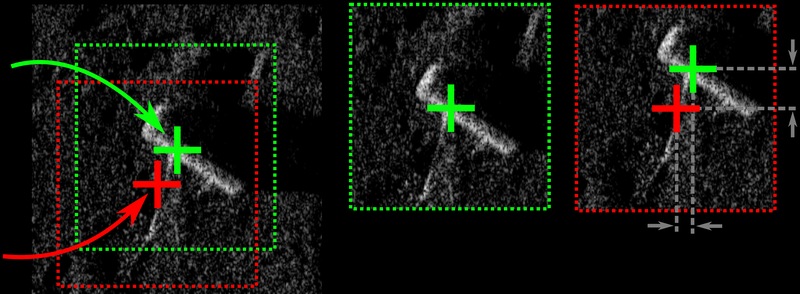
Before touching the existing solution base, I strip a problem down to its mathematical underpinnings. Three things follow:
This is why I port ideas across communities that don't read each other: most SAS researchers come up through acoustics and rarely read the radar literature, but the underlying math doesn't care. Results:
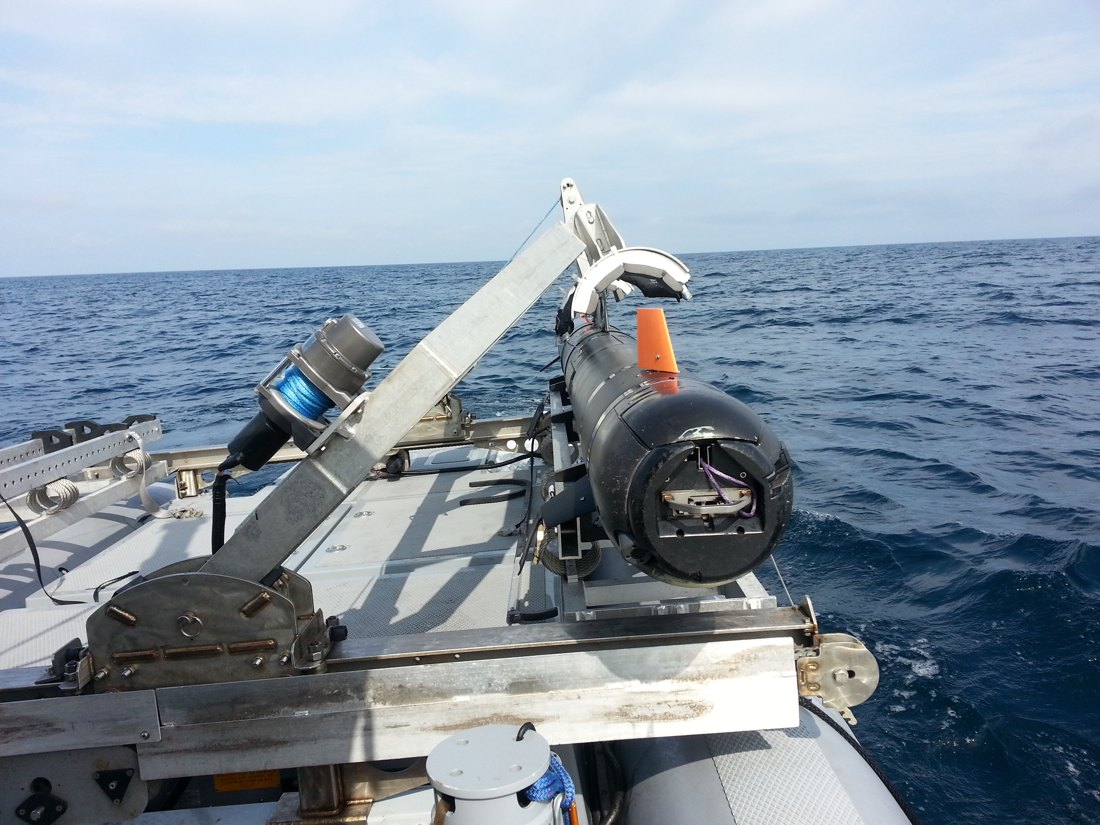
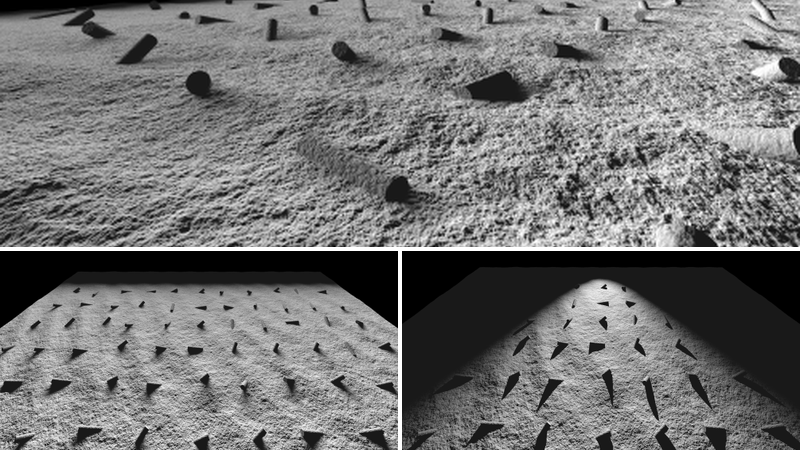
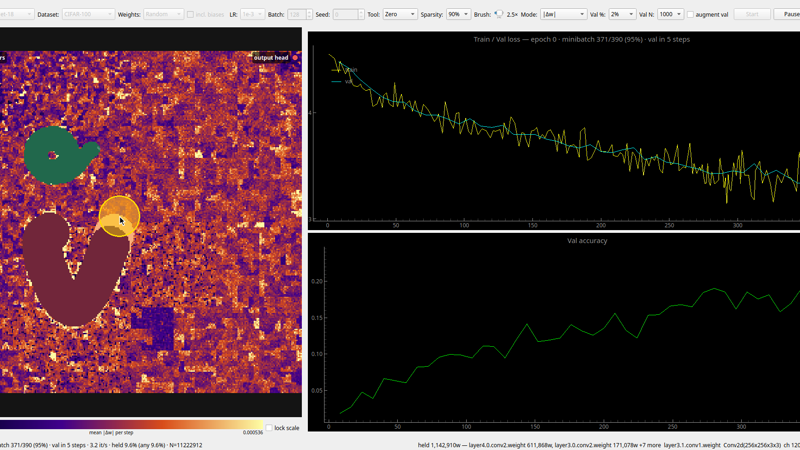
When I believe in a technical direction, I don't campaign for it; I build the artifact that makes the case:
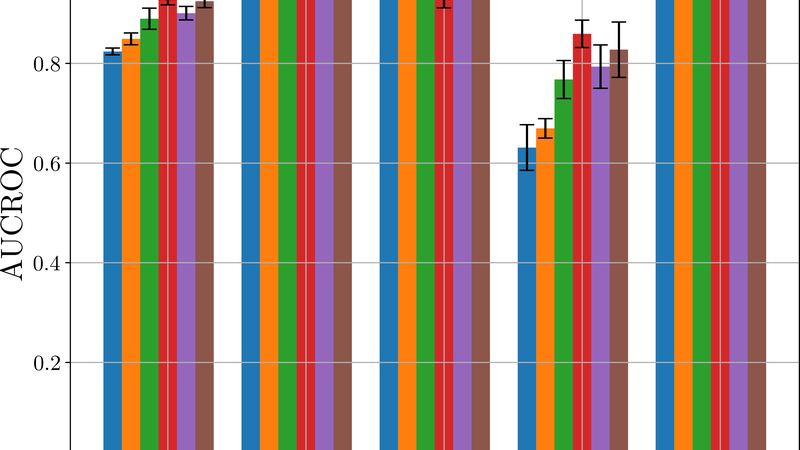
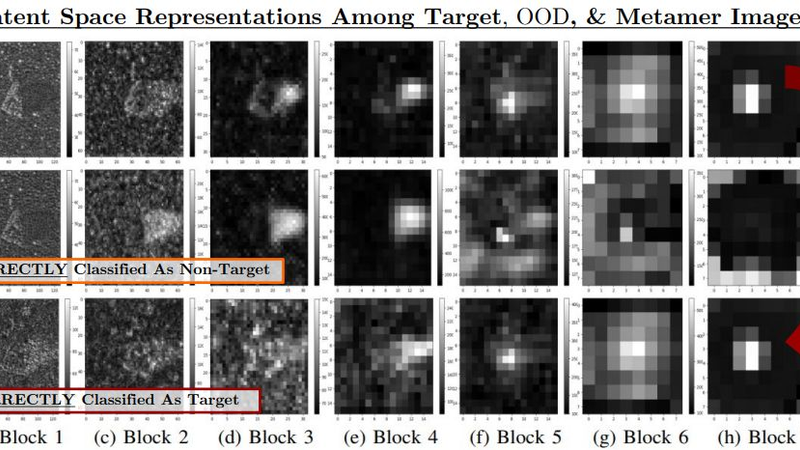
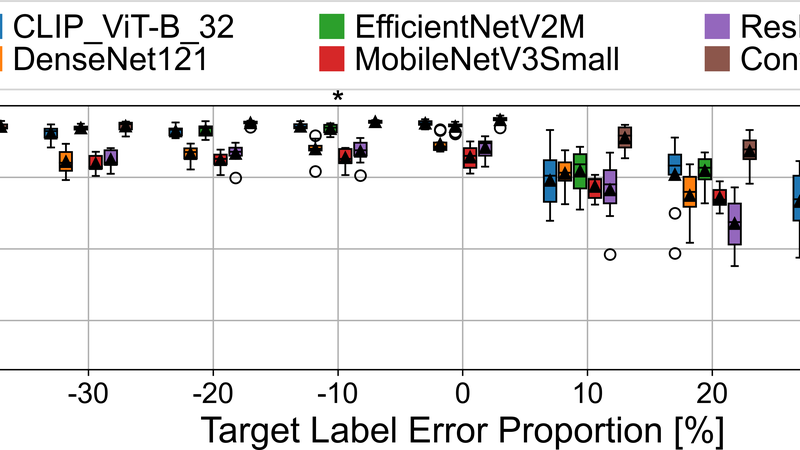
Many reported ML gains dissolve under honest evaluation; they turn out to be hyperparameter luck or overfitting to the test set. I design evaluations not to flatter: held-out multi-year validation, fair scoring rules, hypothesis tests, and bootstrap confidence intervals before I claim a win. My work on label noise, metamers, and dataset bias comes from the same instinct: understand how models fail before trusting how they succeed.
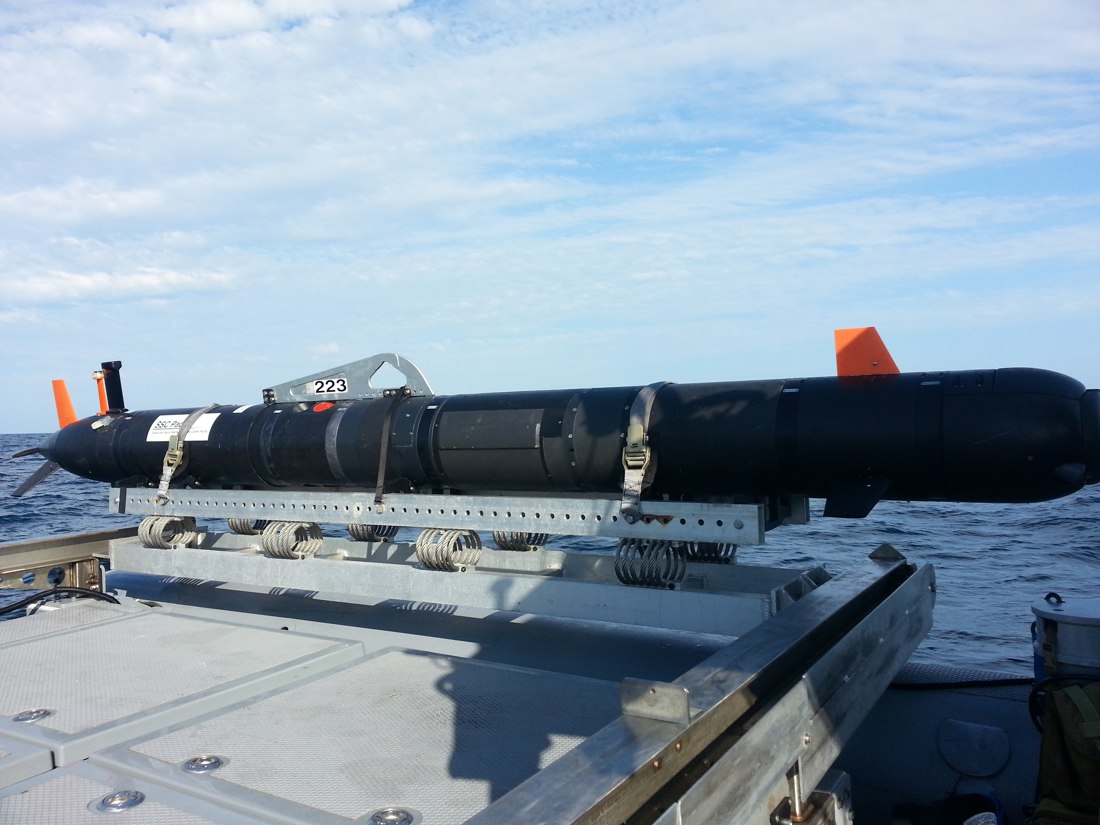
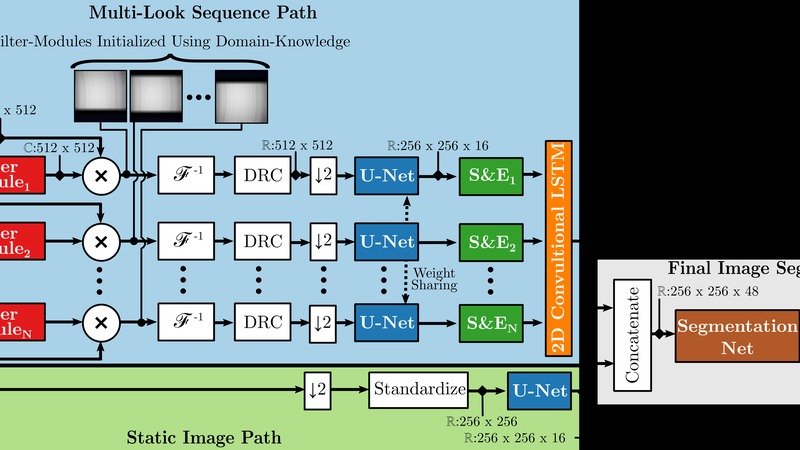
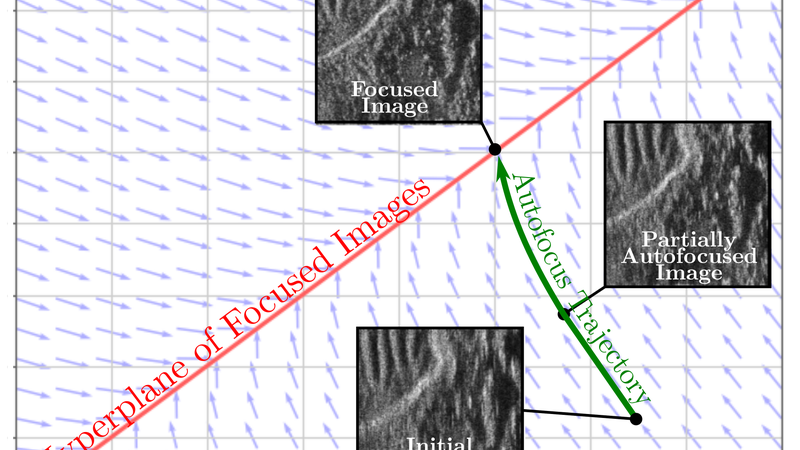
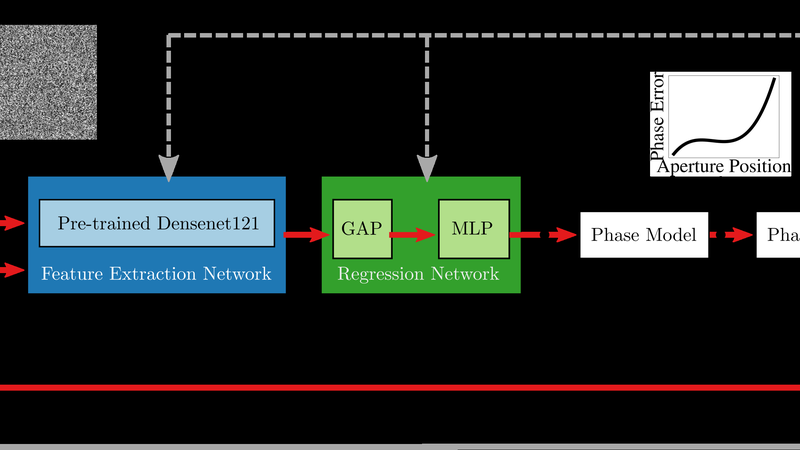
Building the measurement model and domain structure into the network instead of relying on scale alone: acoustic scattering, coherent-imaging and phase constraints, rendering forward models, and signal priors. This model-based approach keeps learning sample-efficient, interpretable, and robust in the noisy, low-data regimes where black-box models break down.
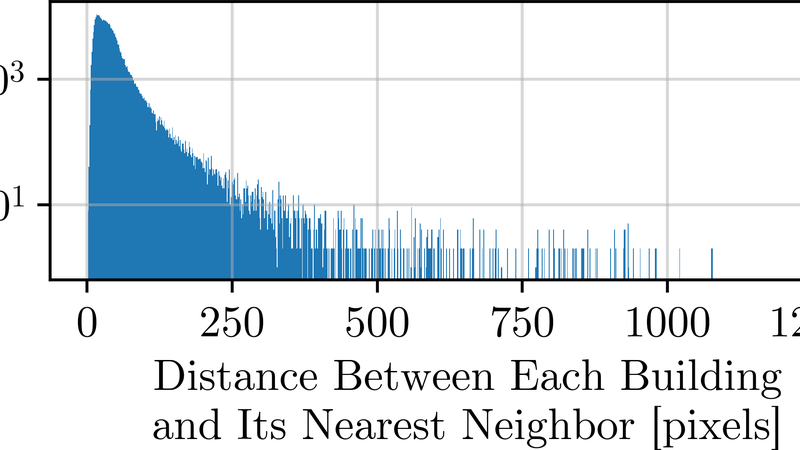
Learning from satellite and Earth-observation data toward models of Earth systems: representation, bias, and the building blocks of physics-based world models.
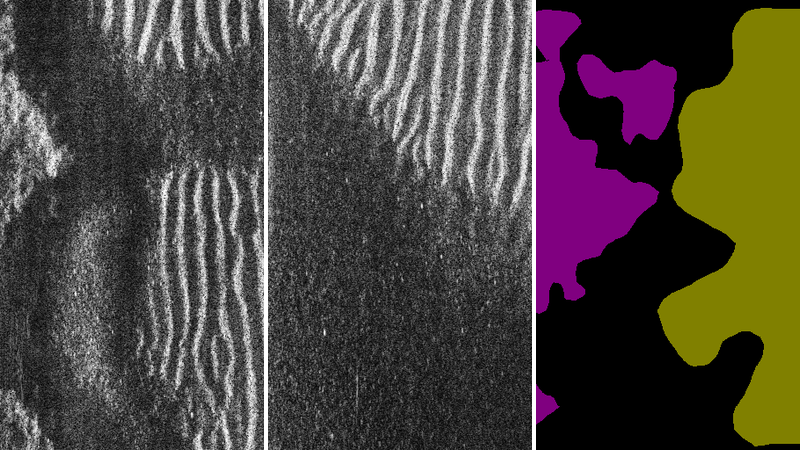
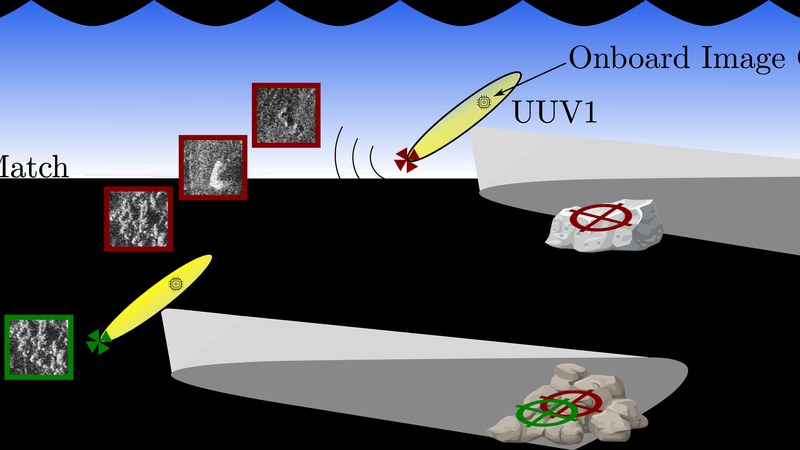
Applying machine learning to extract actionable intelligence from sonar, radar, and other sensor modalities.
Integrating classical signal processing theory with modern deep learning for robust sensor data analysis.
How deep networks represent, generalize, and fail, studied through metamers, perceptual priors, and out-of-distribution behavior, with inspiration from biological perception.
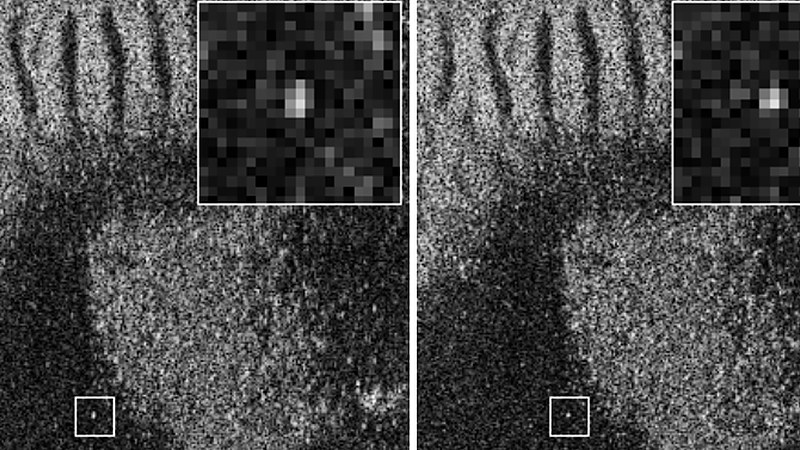
Detection, recognition, and understanding of objects and scenes in challenging imaging environments.
Complete publication list on Google Scholar.